
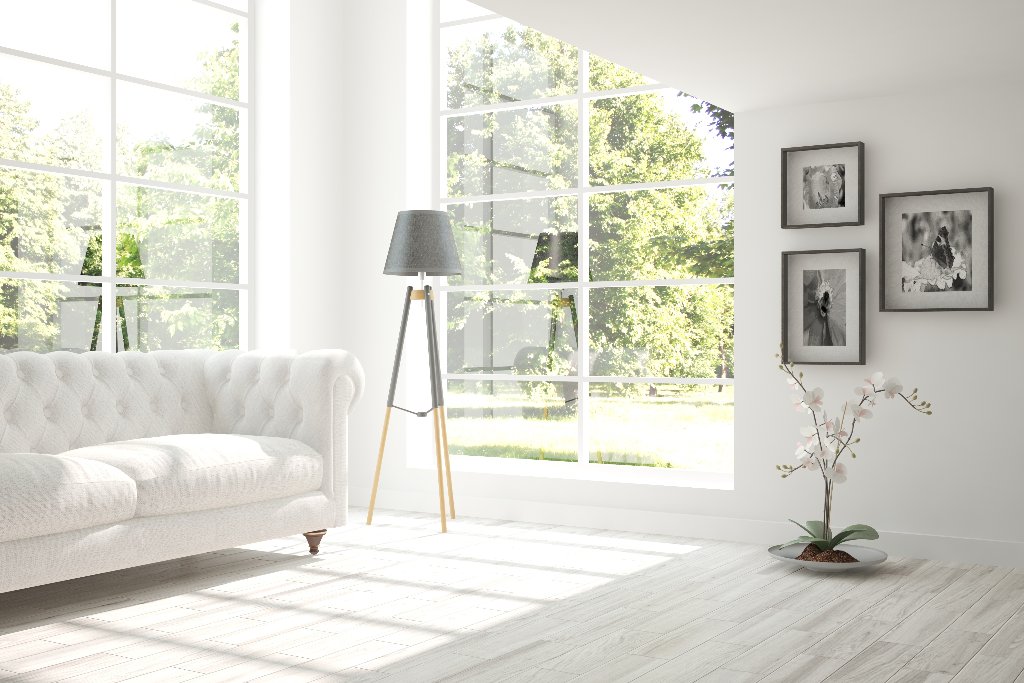
Tus pertenencias, como en casa
Nuestros guardamuebles en Barcelona están diseñados para ofrecer la máxima protección. No se trata solo de un almacén, sino de espacios individuales, limpios y controlados para evitar deterioro.
Recogemos tus cosas en tu domicilio, las embalamos profesionalmente, las almacenamos el tiempo que necesites y te las entregamos cuando estés listo.
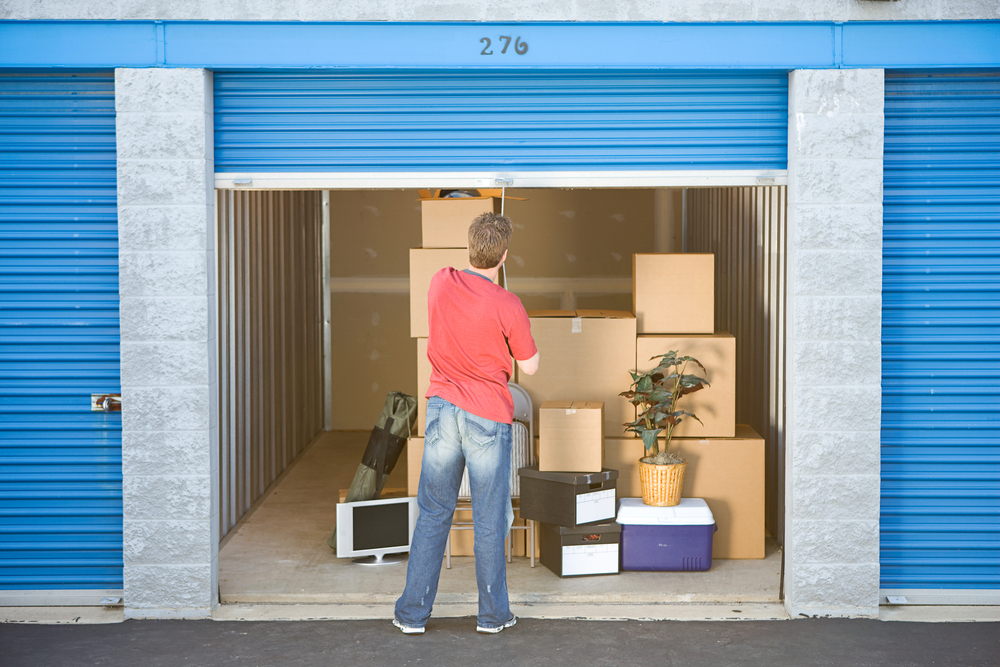
Seguridad Total
Sistema de cámaras CCTV, detectores de movimiento y control de accesos estricto para garantizar la integridad de tus bienes.
Flexibilidad Temporal
Contrata desde una semana hasta años. Cancela cuando quieras sin penalizaciones. Paga solo por el tiempo y espacio que uses.
Servicio Integral
Nos encargamos del desmontaje, embalaje especial para almacenamiento, transporte y posterior montaje en destino.
Historia del Guardamuebles y Trasteros
El concepto de guardamuebles nació en el Reino Unido durante la Revolución Industrial, cuando las familias que emigraban a las ciudades necesitaban almacenar sus pertenencias temporalmente. Los primeros 'furniture repositories' aparecieron en Londres hacia 1850.
En España, el guardamuebles llegó de la mano de las empresas de mudanzas tradicionales a principios del siglo XX. Barcelona, como ciudad portuaria e industrial, fue pionera en ofrecer este servicio para las mercancías en tránsito y las familias que emigraban a América.
La explosión del self-storage (trasteros de autoservicio) llegó de Estados Unidos en los años 90. El modelo americano de 'storage units' se adaptó al mercado español, y Barcelona vio abrir sus primeros centros de trasteros en el cambio de milenio.
Hoy, el sector del almacenamiento en España factura más de 400 millones de euros anuales. Barcelona concentra el mayor número de instalaciones debido a la escasez de espacio en los pisos urbanos y el alto coste del metro cuadrado.
Logística del Almacenamiento
Un guardamuebles profesional opera como un centro logístico especializado. La recepción de mercancías sigue un protocolo estricto: inventario detallado, fotografías, pesaje y asignación de ubicación mediante software de gestión de almacén (WMS).
La distribución del espacio es crítica para la eficiencia. Los muebles se almacenan verticalmente cuando es posible, los colchones en horizontal, y los objetos pequeños en estanterías. El objetivo es maximizar el volumen útil sin comprometer la conservación.
El control climático es fundamental. Un guardamuebles de calidad mantiene temperatura entre 15-20°C y humedad relativa del 50-60%. Sensores monitorizan constantemente estas variables y alertan de cualquier desviación.
La trazabilidad es total: cada bulto tiene un código único que permite localizarlo en segundos. Cuando el cliente solicita acceso o devolución, el sistema indica la ubicación exacta y el equipo prepara la entrega eficientemente.
Normativa y Regulación
El guardamuebles está regulado por el Código Civil como contrato de depósito (arts. 1758-1784). El depositario (la empresa) debe conservar las cosas con la diligencia de un buen padre de familia y devolverlas cuando el depositante lo solicite.
Las instalaciones deben cumplir normativa de seguridad contra incendios (CTE DB-SI), accesibilidad (CTE DB-SUA), y protección medioambiental. Los centros de Barcelona requieren licencia de actividad municipal específica.
El RGPD aplica al tratamiento de datos personales de los clientes. El inventario, fotografías y datos de contacto deben protegerse adecuadamente. La empresa debe informar del tratamiento y obtener consentimiento.
En caso de impago prolongado, la Ley de Enjuiciamiento Civil regula el procedimiento para la venta de los bienes depositados, que requiere autorización judicial previa. No se puede disponer de los bienes unilateralmente.
Consejos para un Almacenamiento Óptimo
Limpia antes de guardar
Muebles, ropa y electrodomésticos deben estar limpios y secos. La suciedad atrae plagas y la humedad genera moho.
Desmonta lo que puedas
Mesas, camas y armarios ocupan menos espacio desmontados. Guarda los tornillos en bolsas etiquetadas.
Usa protecciones adecuadas
Fundas transpirables para muebles tapizados, nunca plástico hermético. Mantas para madera. Papel de burbujas para cristal.
No apiles en exceso
Los muebles pesados abajo, los ligeros arriba. Nunca pongas peso sobre tapizados o colchones que puedan deformarse.
Deja pasillos de acceso
Si vas a necesitar acceder a cosas específicas, organiza para poder llegar a ellas sin mover todo.
Haz inventario fotográfico
Fotografía todo antes de guardar. Útil para el seguro y para recordar qué tienes almacenado.
Vacía electrodomésticos
Frigoríficos y lavadoras completamente vacíos y secos. Deja las puertas entreabiertas para evitar olores.
Protege documentos
Papeles importantes en cajas de plástico estancas o archivadores metálicos. Nunca directamente en cartón en el suelo.
El Sector en Cifras
Lo que NO Debes Guardar
- Productos inflamables: gasolina, disolventes, pinturas, bombonas de gas
- Alimentos perecederos: atraen plagas y generan olores
- Plantas vivas: morirán sin luz ni cuidados
- Animales: está prohibido y es crueldad animal
- Productos ilegales: drogas, armas no autorizadas, material robado
- Residuos peligrosos: baterías, aceites, productos químicos
Preguntas Frecuentes sobre Guardamuebles
Todo lo que necesitas saber sobre almacenamiento seguro de tus pertenencias
Guía de Embalaje y Colocación en Guardamuebles
Aprende a embalar y organizar tus pertenencias para una conservación perfecta
Sofás y sillones
Funda transpirable, nunca plástico hermético
Vertical si es posible, nunca nada encima
Quita cojines y guárdalos por separado en bolsas
Mesas
Desmontar patas, proteger con mantas y cartón en esquinas
Horizontal sobre palés o estanterías
Guarda tornillos en bolsas etiquetadas pegadas a la mesa
Armarios
Desmontar, envolver puertas por separado, proteger espejos
Piezas verticales contra pared, puertas horizontales
Vacía completamente antes de desmontar
Sillas
Envolver individualmente en mantas o film burbuja
Apiladas máximo 3-4 unidades del mismo modelo
Las de oficina con ruedas, proteger el mecanismo
Zonas del Box de Almacenamiento
Zona inferior
Muebles pesados, electrodomésticos grandes. Siempre sobre palés.
Sofás, lavadoras, frigoríficos, armarios desmontados
Zona media
Cajas medianas, electrónica, objetos de acceso frecuente.
Cajas de ropa, TV, ordenadores, menaje
Zona superior
Cajas ligeras, textiles, objetos que no usarás pronto.
Ropa de temporada, decoración, libros